Simple clear, $150–$300
Pan or S-bend blockage, business hours, one visit. The majority of single-toilet call-outs finish here.
One toilet down can stop a whole household. We get to Dural jobs same-day, clear the blockage without redecorating your bathroom, and, when a toilet keeps blocking, put a camera down the line to fix the reason instead of the symptom.
A first-time blockage usually has a simple biography: wet wipes with marketing-department flushability, a cotton pad habit, something a two-year-old posted into the bowl. The right tool clears it in minutes and life resumes. Where households go wrong is the escalation path, hammering a plunger at something compacted deep past the S-bend, or tipping caustic chemicals in to sit against the porcelain waiting for the next person to plunge it into their face.
A toilet that blocks on a schedule is telling a different story, and it is rarely about the toilet at all. Between the mature street trees and the original earthenware sewers under Dural’s older streets, root intrusion is the usual author, with sagging pipe runs and scale-narrowed clay in supporting roles. That is a drain problem wearing a toilet costume, and it is why our repeat-blockage answer is a CCTV camera first: pay once to fix the cause instead of monthly to admire the symptom.

Away from town sewer, many Dural blocks rely on septic tanks and absorption trenches that block, fill or fail and back up into the house.
On acreage the line from the house to the connection or treatment system can run for sixty metres or more, all of it your responsibility, crossing ground that vehicles drive over and trees grow beside.
It also means the blockage is often nowhere near the house. Locating it precisely before digging is the difference between one neat excavation and several exploratory ones.
Dural’s mature gardens, nurseries and surrounding bushland send strong roots into old pipe joints and long lines, the number-one cause of recurring blockages here.
The tree is rarely the villain, and removing it is rarely the answer, a mature tree is worth more to the property than the drain repair costs, and the roots already in the line do not vanish when the trunk goes.
What helps: knowing where your line runs so future planting goes elsewhere, and sealing the joints that are already open. If the tree is on council land or a neighbour's property, the repair is still yours, but the camera footage is what any conversation with them needs to start from.
On a property with an on-site system, a toilet that drains slowly across the whole house is often not a blockage at all, it is the tank or the disposal field backing up into the line.
On big acreage blocks the run from the house to the trench or street is long and shallow-graded, so silt settles and a camera is needed to find the blockage.
The tells are wet ground over the trench in dry weather and smell outside rather than in. If that is what you have, stop adding water to the system and call. Continuing to load a failed field turns a pump-out into an excavation.
Roots are not looking for your drain. They are looking for water, and a sewer line is the most reliable water source in a dry yard, slightly damp soil around a hairline crack is enough to tell a root where to go.
Once a root tip is through a joint it thickens, and what started as a hairline opening becomes a gap. The blockage you notice is the mass of paper and waste catching on the roots, not the roots themselves.
Rural and semi-rural properties frequently have drainage that predates any record, altered over decades by owners who did the work themselves.
Heavy rain off Dural’s sloping garden blocks and long driveways overwhelms pits and ag drains, choking stormwater lines until they surcharge.
A camera with a sonde and a locator above ground maps the actual route and depth, which is worth having on file well before an emergency. Knowing where the line runs is also what stops the next shed slab or driveway being poured over an access point.
A root cutter clears the line and the toilet flushes properly again. That is a genuine fix for the blockage, and it is not a fix for the cause, the opening the roots came through is still there, and roots regrow toward water.
The realistic choice is between cutting on a schedule, which is cheap each time and never finishes, and sealing the entry point once. We will tell you which makes sense for your line based on what the camera shows, including when the honest answer is that cutting every couple of years is the sensible economics.
Pan or S-bend blockage, business hours, one visit. The majority of single-toilet call-outs finish here.
When it takes an electric eel or jetter running time rather than hand tools to shift.
The same work at night or on weekends, with after-hours attendance and labour rates applied.
The repeat-blockage answer: camera down the line, cause on screen, quote built on evidence you watch with us.
Valves, washers and seals fix most running or leaking toilets on the spot; a full new suite is one fixed quoted price.
Daylight versus after-hours is the biggest lever on the bill, when it can safely wait for morning, we say so on the phone. Figures here are indicative of the 2026 Sydney market rather than a quote from us, you get your own number as a fixed price before any work starts.

One toilet or every drain in the house? Overflowing now or just slow? That tells us the tools and the urgency, and you get a price picture before anyone drives.
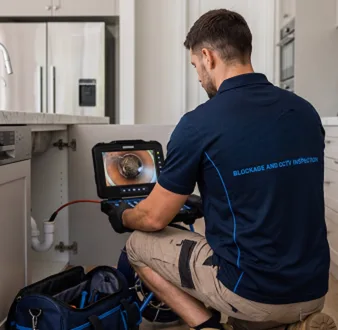
Drop sheets down first. Then the right tool for the blockage, closet auger for the pan, eel or jetter if it is sitting deeper in the line.
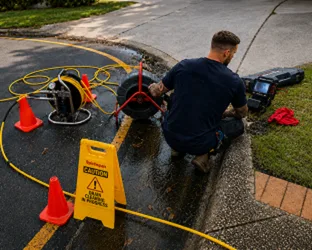
A first-time blockage with an obvious cause ends here. A repeat offender gets the camera, because the recurring ones are never about the toilet.

Roots cut and jetted, a damaged section relined, or a worn-out suite replaced: whatever the footage actually justifies, priced fixed before it starts.
That is emergency-grade in our book, whatever the clock says. The phone answers 24/7.
Cleared today, cause identified, fixed price before we start: and the bathroom left the way we found it, minus the problem.

Leave your details and our local Dural team will call you back fast.